London has more web design agencies than any other city in the UK, and most of them will tell you the same things: award-winning, results-driven, full service. None of that helps you choose. What does help is knowing what to look at, what to ask and what a fair price looks like before you send the first email. This guide covers all three, from the point of view of an agency that has sat on the other side of the table since 2018.
Start with the job, not the agency
Before you look at a single portfolio, write down what the website has to do for the business. Not what it should look like; what it has to do. Generate enquiries from a particular kind of client. Sell a product line without phone calls. Let members log in and see their documents. Replace a system that a member of staff currently runs on spreadsheets.
Two or three sentences are enough, but they change everything that follows. An agency that is good at brand-led brochure sites is not necessarily the agency for an ecommerce rebuild, and an agency that builds customer portals may be bored by a six-page site for an accountancy practice. When you know the job, you can tell within a minute of reading an agency’s work whether they have done that job before.
What to look for in a portfolio
Every agency shows its best work. The useful questions are about what you cannot see on the screenshots.
- Are the sites live, and do they still look like the case study? Open three of them. If a site has been replaced, or looks nothing like the images on the agency’s page, the client may have moved on quickly. If it still looks right two years later, the build has held up.
- Are the sites fast on a phone? Run one through Google’s PageSpeed Insights. Design agencies that hand code to a third party often produce pages that look good and load badly.
- Is the work varied, or one template repainted? If every site has the same layout with different colours, that is what you will get.
- Do they explain what was built, not only how it looks? A case study that says what the client needed, what was decided and what happened afterwards is written by people who did the work.
- Who did the design, and who did the code? Ask. Many London agencies design in-house and send development abroad. That can be fine, but you should know who you will be dealing with when something breaks.
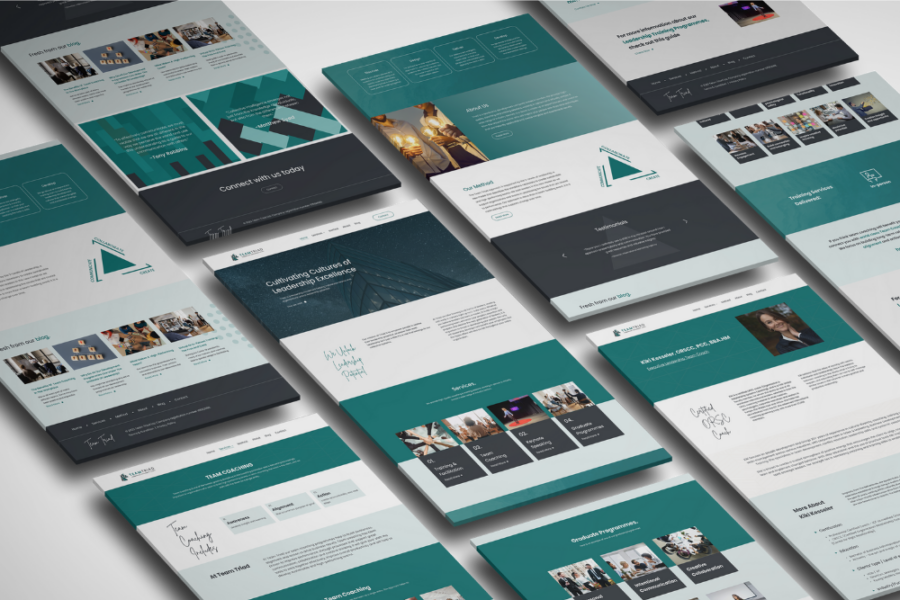
At Web Buds we show every project with desktop and phone views, including the full page as it scrolls, so there is nothing to guess at.
The questions that reveal how an agency works
Ask these on the first call. The answers matter less than how quickly and plainly they come.
- Who will I talk to each week? You want a name, not “the team”.
- Will you design the homepage before any code is written, and can I approve it first? This is the single biggest protection against ending up with a site you do not like.
- What platform will you build on, and why that one for my job? The answer should relate to your requirements. If it is the same platform for every client regardless of the job, ask why.
- Will I be able to edit the content myself without breaking the layout? Ask to see the editing screen on a live project.
- Who owns the site, the domain and the hosting account when it is finished? The answer must be you.
- What happens after launch? Updates, security, backups, small changes. Find out what is included and what costs extra.
- Can I speak to a client you built for two years ago? Recent clients are happy. Older clients tell you about the support.
How much does a web design agency in London cost?
Prices vary more than in almost any other service, because “a website” can mean a five-page brochure or a platform with payments and logins. As a rough guide for 2026, in our experience of quoting against other London agencies:
- Freelancer: £1,500 to £5,000 for a small site on a theme or page builder. Good for a simple brochure if the person is reliable, with the risk that there is only one of them.
- Small agency, custom design: £5,000 to £20,000 for a site designed from a blank page and built by hand. This is where most established small and medium businesses sit.
- Ecommerce or a portal: £10,000 to £40,000 depending on products, integrations and what customers can do when they log in.
- Large agency: £40,000 upwards, usually with a bigger team, more meetings and longer timescales.
Two warnings. A quote that is a fraction of the others usually means a bought template with your logo on it, or an offshore build with a London front. And a quote with no breakdown is hard to compare; ask for design, build, content and launch as separate lines.
We have written a fuller guide to comparing web design packages line by line.
Custom design or a template?
Most London agencies sell one of two things. Some customise a WordPress theme or a Webflow or Squarespace template, which is quick and cheap but means your site shares its skeleton with thousands of others. Some design from a blank page and code the result, which costs more and gives you something that belongs to your business alone.
Neither is wrong. A start-up that needs a site next week should take the template. A company pitching for six-figure contracts, where the website is read by the people deciding, should not. The decision is covered in detail in WordPress vs custom web design.
Warning signs to walk away from
- A proposal sent before anyone has asked what the site is for.
- No visible team. If you cannot find out who works there, you cannot find out who will build your site.
- Guaranteed Google rankings. Nobody can guarantee a ranking, and agencies that say so are selling something else.
- Ownership kept by the agency. Some agencies keep the site on their own platform or account so that leaving means starting again.
- Stock photography of handshakes on their own homepage. An agency that cannot make its own site distinctive will not make yours distinctive.
- Pressure to sign this week to “hold the price”.
How the process should run
A well-run project in London follows roughly the same shape whichever agency you choose. If the agency cannot describe its process in these terms, that is a sign in itself.
Discovery
A meeting or a written brief that covers the goals, the audience, the competitors and whatever exists today. You should come out of it with a document you both agree on.
Structure and content
Which pages, in what order, saying what. Content is where most projects stall, so agree early who writes it and when it is due.
Design
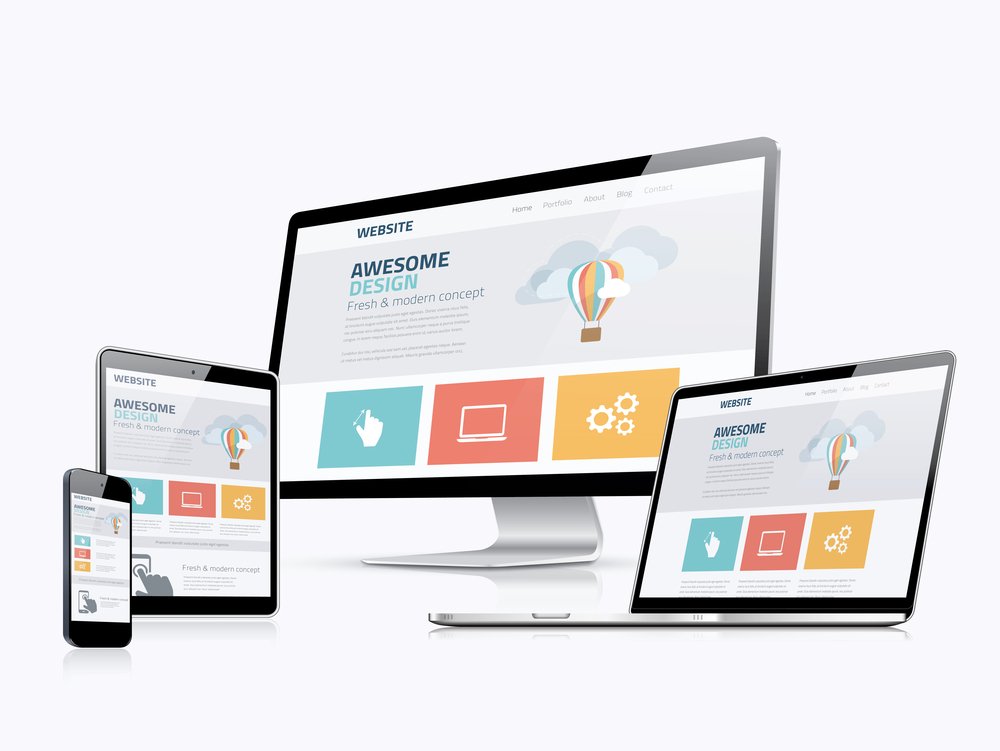
The homepage first, as a finished design rather than a wireframe, then the inner pages once the direction is approved. You should see it on a phone as well as a desktop.
Build
The approved design is coded, the editing system is set up and content goes in. Ask for a staging address you can look at while this happens.
Testing and launch
Browsers, phones, forms, speed, search settings and redirects from the old site. Launch is a morning’s work when it is planned and a crisis when it is not.
After launch
Updates, backups and a route to someone who can make changes. Decide now whether that is a monthly arrangement or pay-as-you-go.
Is a local agency worth paying more for?
Being in the same city matters less than it used to, but it still matters. You can meet in person for the discovery session and the design presentation, which are the two points where misunderstandings cost the most. A London agency also understands the London market you are selling into, and works in your hours. For a brochure site, a good agency anywhere in the UK will do. For anything your business depends on, being able to sit in a room together at least twice is worth something.
Where Web Buds fits
We are a web design agency in London that designs every site from a blank page and codes it by hand, with no themes or page builders. The homepage is designed and approved before any build starts, the site is editable by your team without touching the layout, and you own everything. Our recent work includes government suppliers in the United States, a course platform in Australia, London property companies and online shops, all shown with desktop and phone views in our case studies. If that sounds like the kind of agency you are looking for, tell us what the site has to do and we will come back with a plan and a price.